
 日本語
日本語 English
 한국어
한국어 繁體中文
繁體中文
 Products
My Name Is Yushima Daikon and I Am from Yushima
Products
My Name Is Yushima Daikon and I Am from Yushima
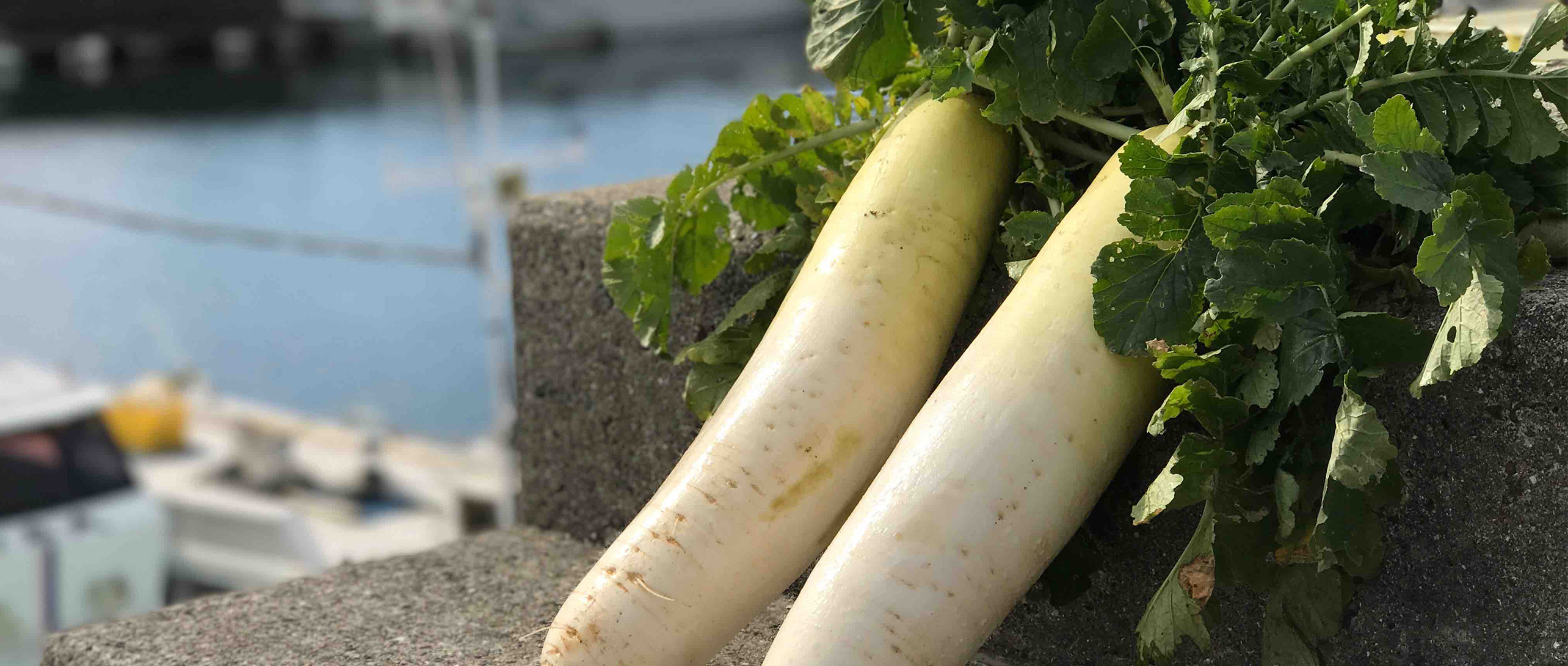
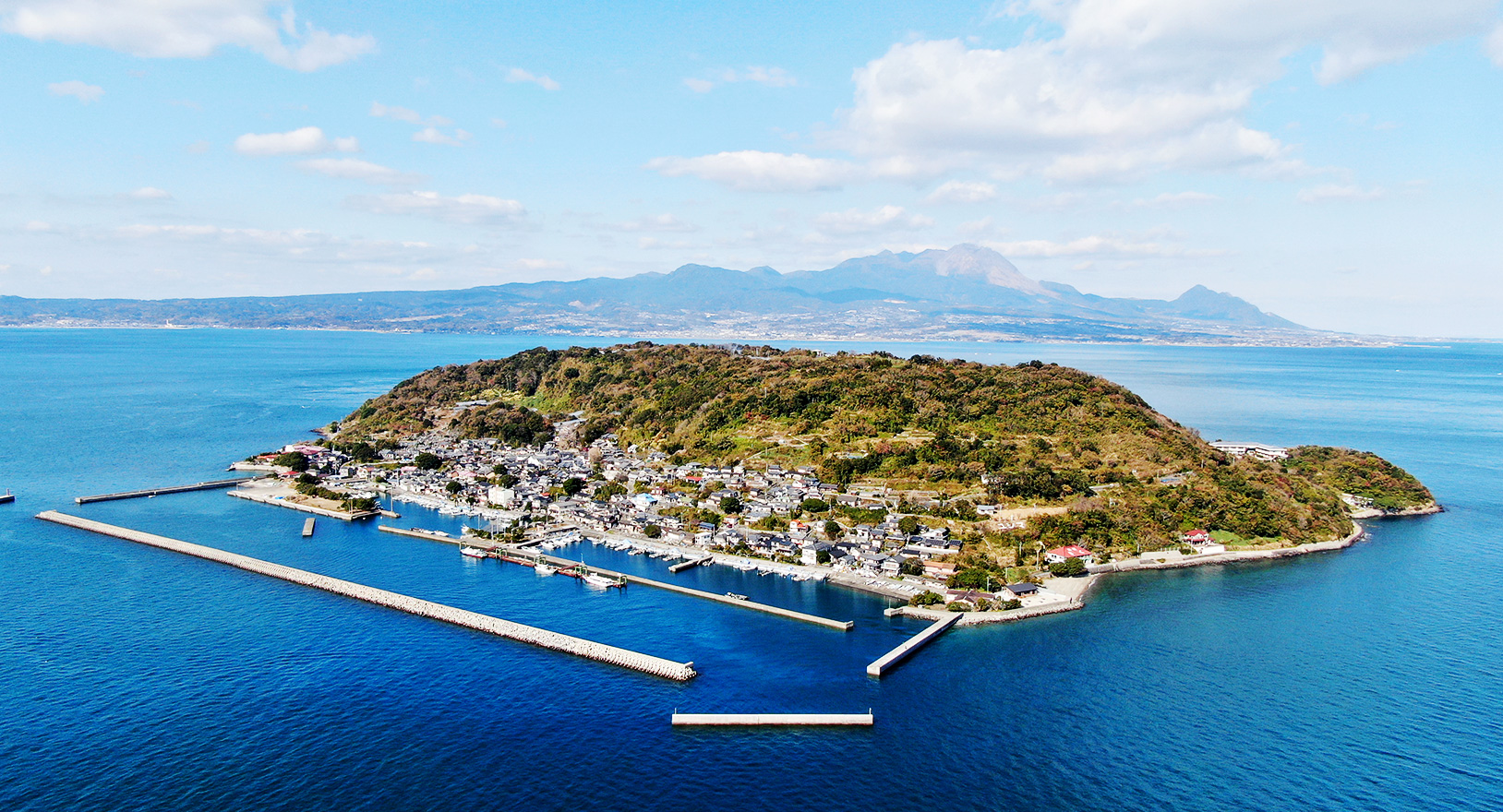
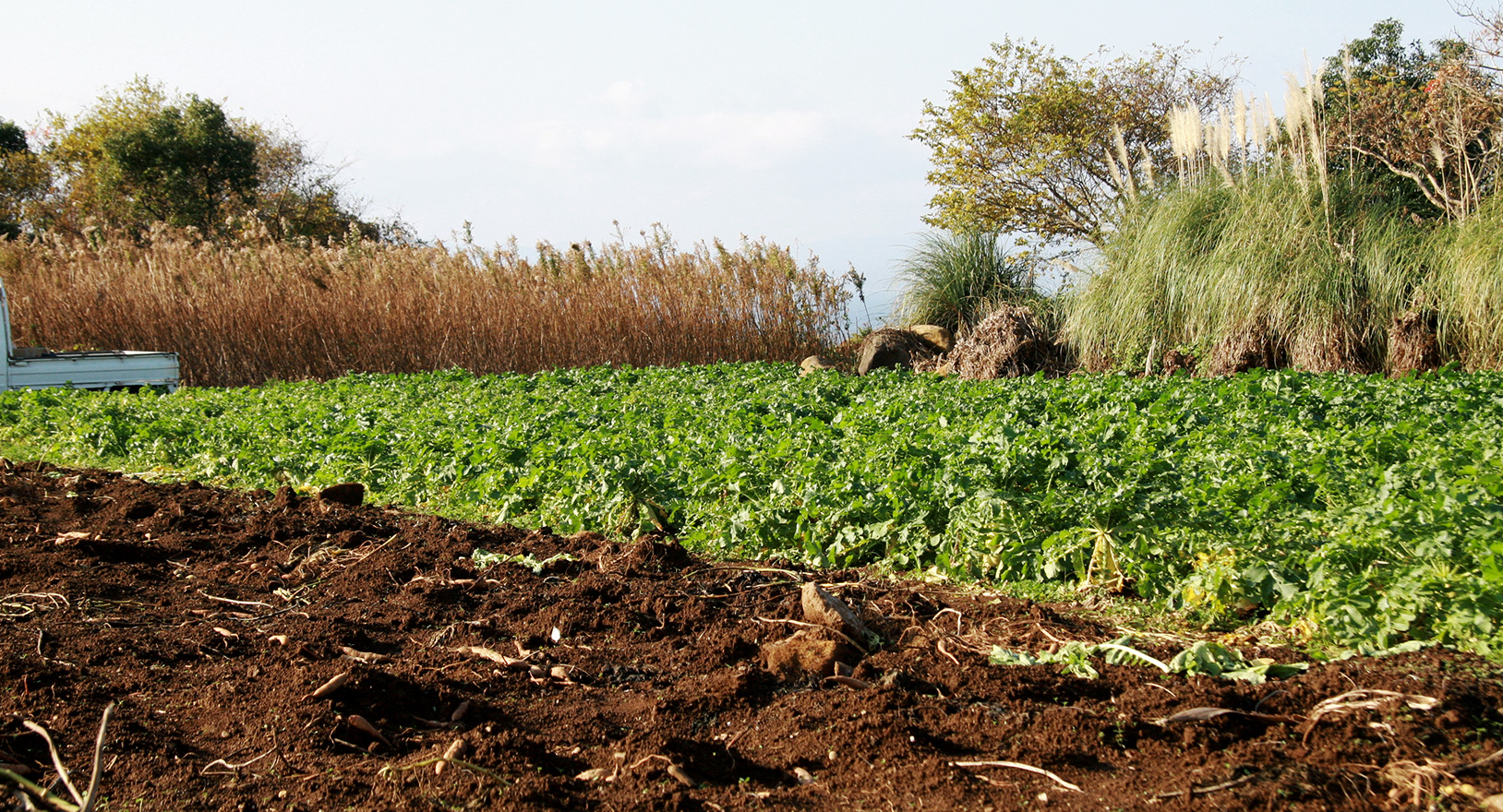
Did you know that difficult-to-find daikon radish is grown in Kamiamakusa? It is called "Yushima Daikon." Yushima Daikon is grown on Yushima located almost in the center of the Ariake Sea sandwiched between the Amakusa Islands and the Shimabara Peninsula. It is said that rebel forces held a meeting to determine their strategy on Yushima at the time of the Shimabara-Amakusa Rebellion. Therefore, you may have heard Yushima being called Dango (Meeting) Island.
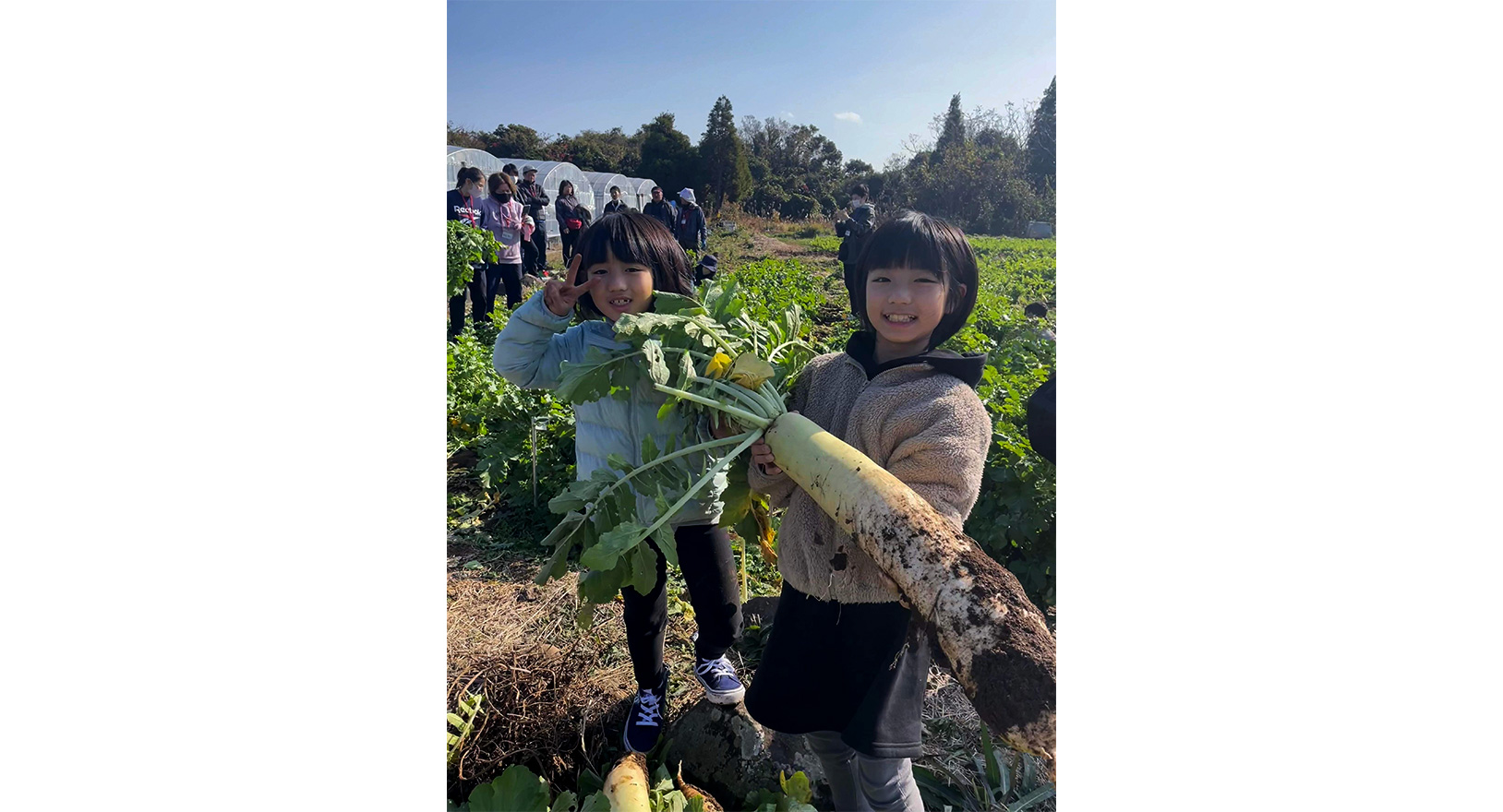
This Yushima Daikon grown on Yushima is characterized by its freshness, high sweetness and sturdy shape. It is about twice the size of regular daikon radishes! This daikon radish exposed to the coldness of winter has a great "pear-like" taste with no sharpness. It is perfect served raw in salads or boiled in dishes such as daikon radish steak and furofuki daikon (boiled daikon radish eaten hot with miso). The secret of its tastiness which will greatly exceed (NANAME-UE) your expectations lies in its cultivation environment! Yushima is a small remote island with an area of 0.52 km2, a circumference of approximately 4 km and an altitude of 100 m. The flatland at the summit has an environment ideal for freely growing daikon radish because of the strong wind gusts and fertile and soft soil.
The number of farmers cultivating Yushima Daikon has been declining in recent years. That has led to the amount in circulation being small. Therefore, it sells out quickly even at local product stores. This rare Yushima Daikon is shipped from around the middle of December to the middle of February the following year. If you see it, please give it a try.
| Shop or Facility Name | Kamiamakusa City Tourism Hospitality Section |
|---|---|
| Address | 1514 Kami, Oyano-machi, Kamiamakusa-shi, Kumamoto |
| Tel | 0964-26-5512 |
| Website | https://www.city.kamiamakusa.kumamoto.jp |
| Shop or Facility Name | Michinoeki Kamiamakusa SUNPEARL |
|---|---|
| Address | 11582-24 Naka, Oyano-machi, Kamiamakusa-shi, Kumamoto |
| Tel | 0964-58-5600 |
| Closed | January 1 - 3 (and other irregular days off) |
| Website | http://www.sunpearl.jp/ |
Products
Products
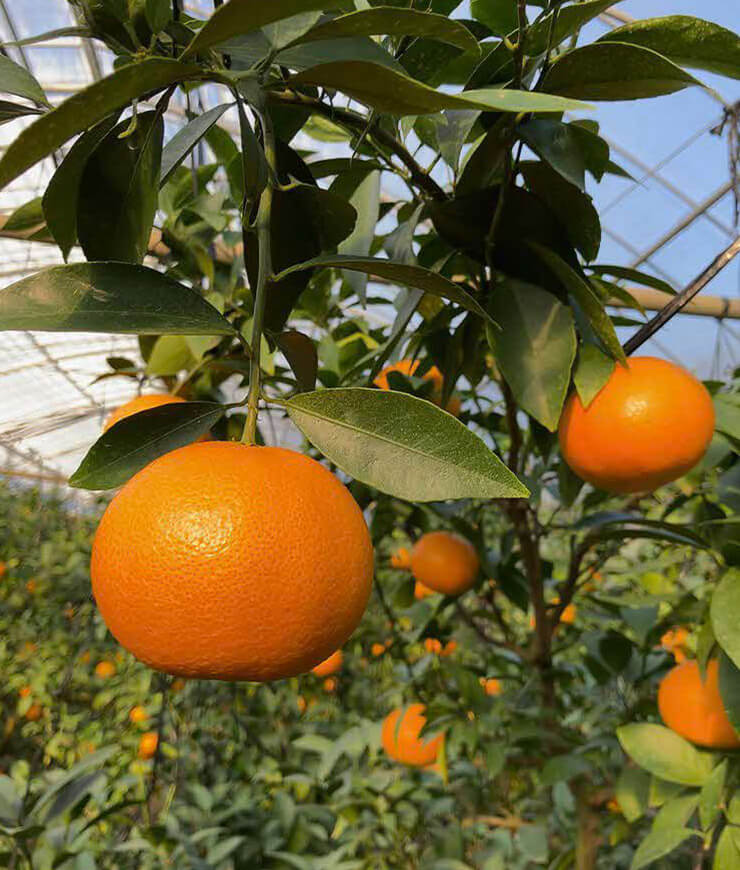
Unparalleled Tastiness of Amakusa Citrus in Amakusa
Amakusa citrus is cultivated in the region of the same name. The Amakusa citrus grown in Kamiamakusa is so perfectly refined it is as if it was selectively bred for this land.
Products
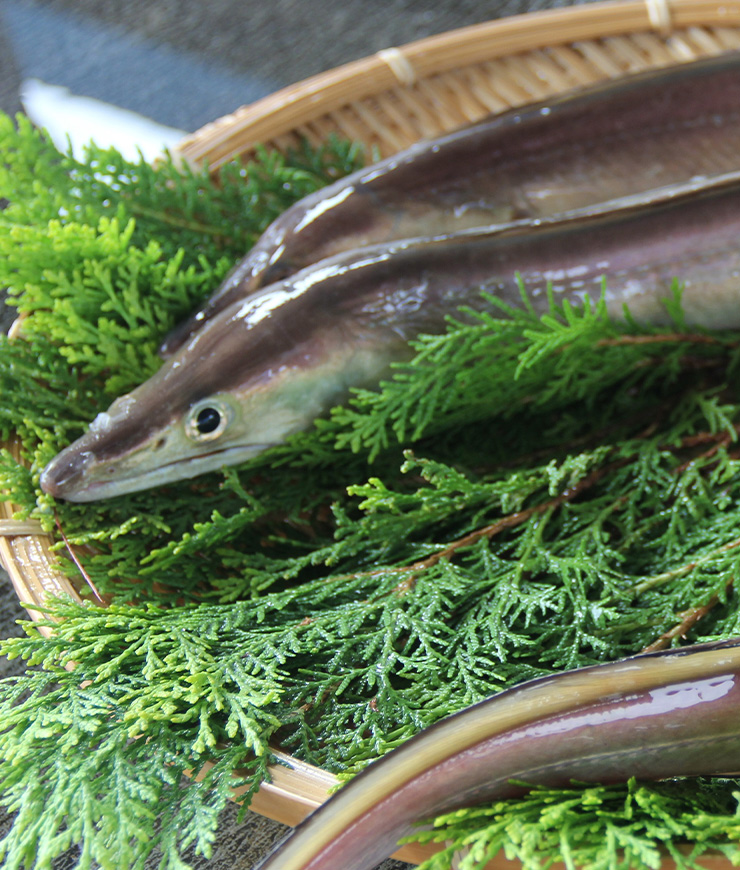
“The Gold Rush of the Conger Eel World Is Here!!”
In Kamiamakusa's Oyano Town, blessed with an abundance of seafood, there is an ingredient that is attracting a considerable amount of attention. The name of this ingredient is "Golden Conger Eel". Why is the conger eel caught in the fishing grounds sandwiched between the Ariake Sea and the Yatsushiro Sea called this? The answer lies in its beauty.
Products
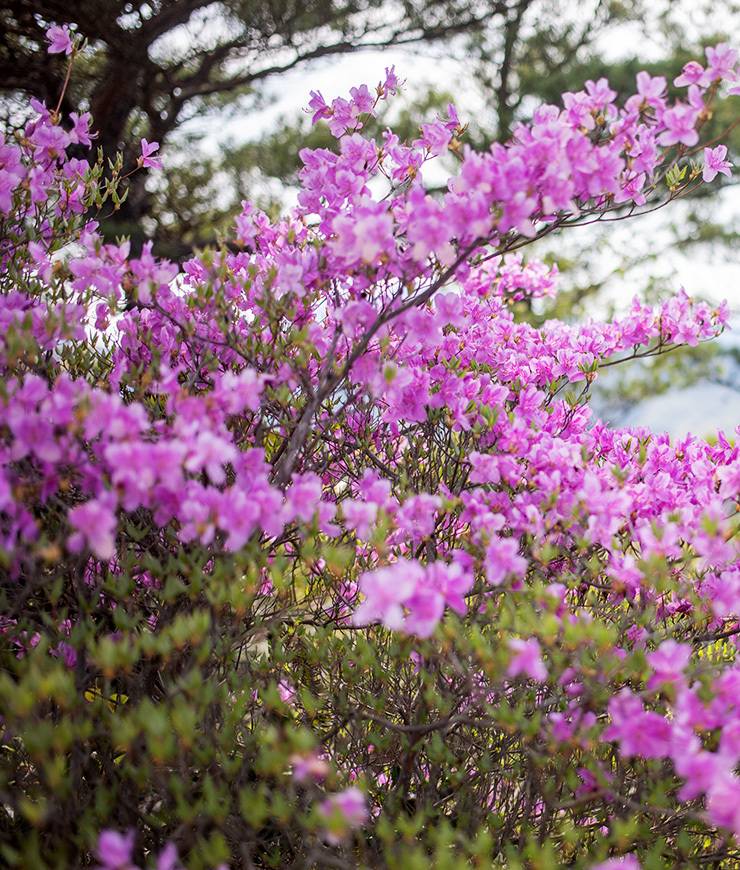
Kamiamakusa:
City of Flowers!
When you visit Kamiamakusa, you will find yourself in a colorful City of Flowers: fields of rape blossoms which are the first to announce the arrival of spring, Mt. Sengan and Iwasakura Hana Park where you can see cherry blossoms in full bloom, a wide variety of cut flowers you can appreciate throughout the year, and Kamiamakusa Flower Festival!
Products
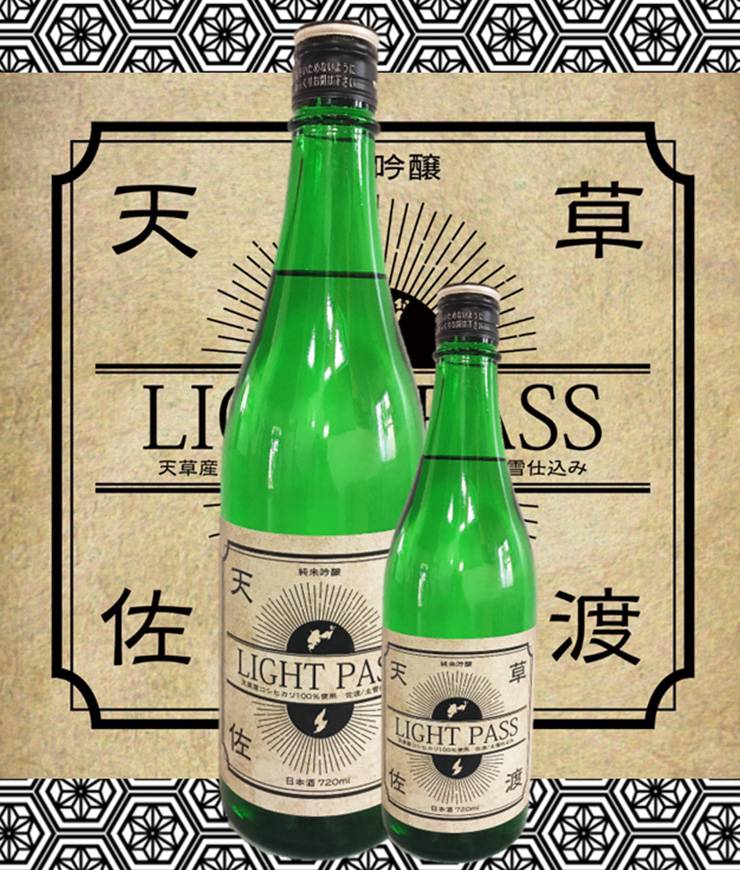
Letting Charming Sake Travel
The rice grown in Kamiamakusa crosses the sea, crosses the land, crosses the sea once again and is then turned into sake on Sado Island before returning home to Kamiamakusa. LIGHT PASS sake is made with a commitment to following that long journey.
Products
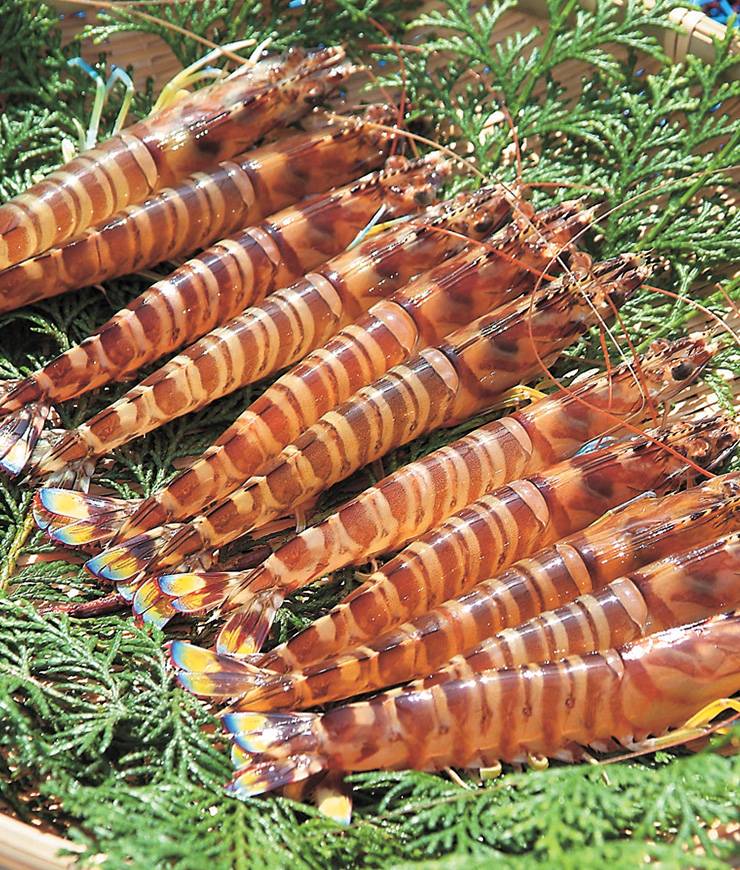
Eat Kuruma Shrimp Live While It Is Still Moving with the Highest Level of Freshness!
Kuruma shrimp is a branded shrimp which ranks alongside regular lobsters or spiny lobsters. Its greatest characteristic, besides its size, is its taste. The rich and tender taste has a tastiness with a different dimension of tastiness which you cannot experience at all with ordinary shrimp.
Products
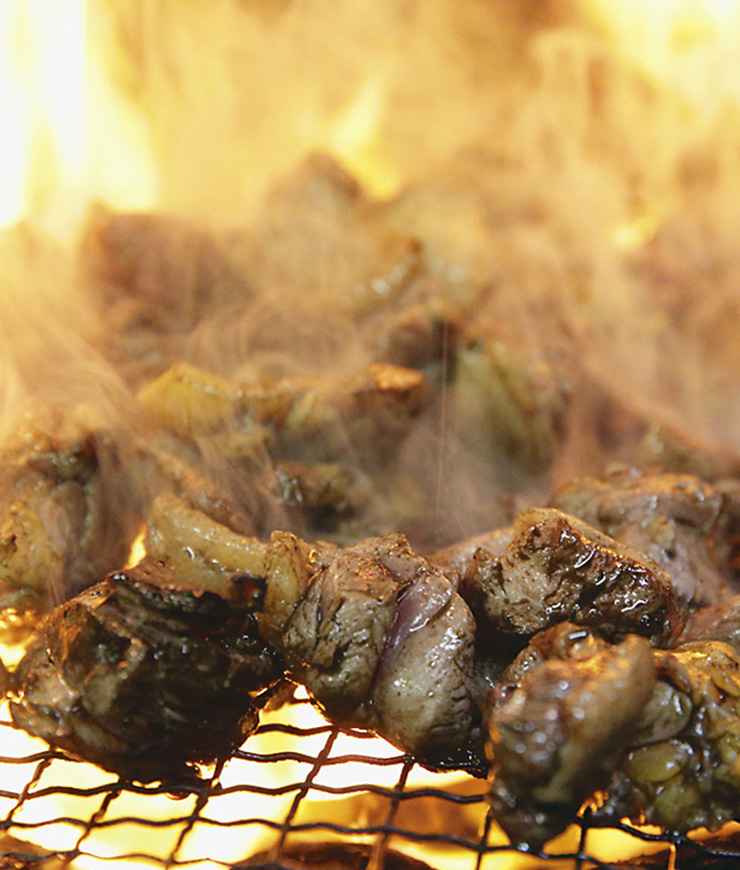
Authentic
Chicken of the Sea
Amakusadaiou Bar Sun Hara-Ippai is a restaurant specializing in local specialties made from Amakusadaiou - the local traditional pedigree chicken breed of Kamiamakusa. This restaurant, which extols the virtues of being a local traditional pedigree chicken specialist in Kamiamakusa with its abundant marine product resources, will greatly exceed (NANAME-UE) your expectations as a restaurant that is truly worthy of being located in Kamiamakusa.
Products
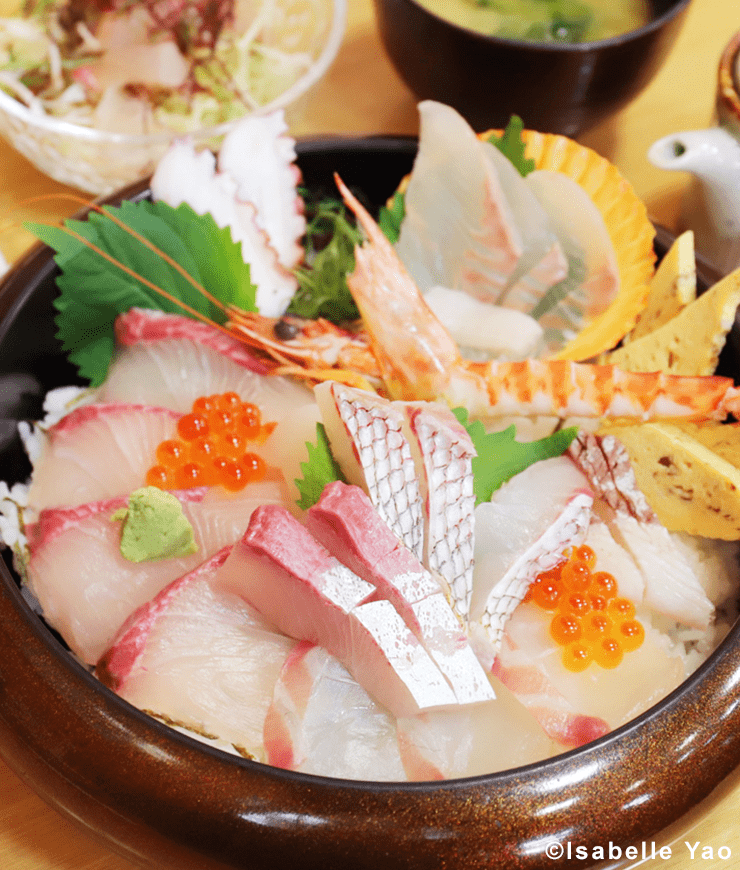
Sea → Fish Preserve
→ Fish Preserve
→ Sashimi Selection
(← Now Here)
Kamiamakusa supports the kitchens of the citizens in Kumamoto Prefecture with fish. This means you can savor fresh seafood here. Auctions in Kamiamakusa are held with the fish kept alive in fish preserves.
Products
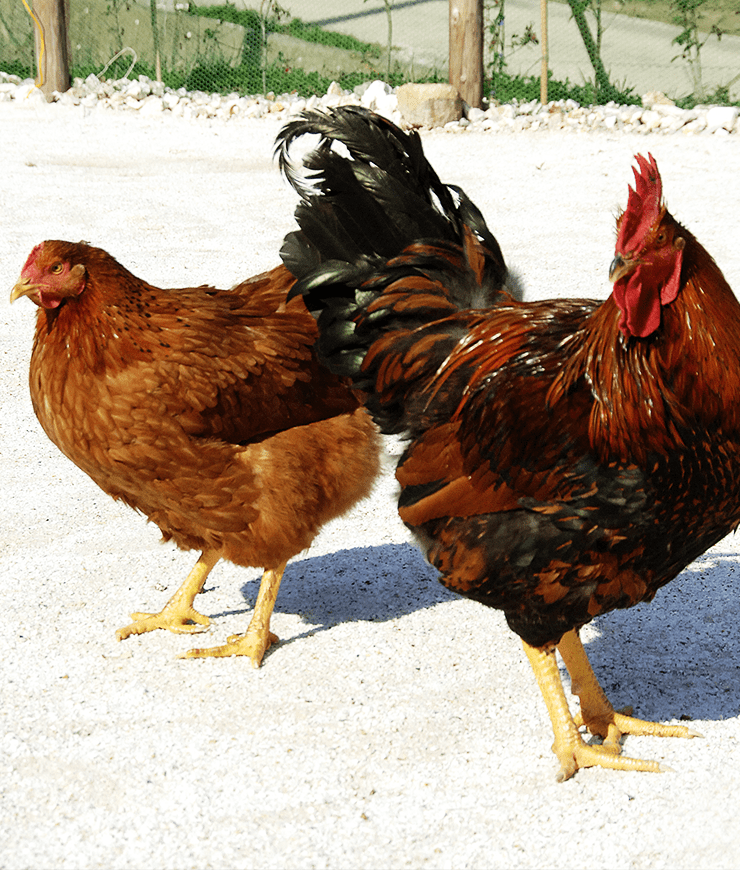
Amakusadaiou
- the Regional
Pedigree Chicken
Breed of
Kamiamakusa
The phrase "the regional pedigree chicken breed* of such and such a place" is overused, isn't it? Doesn't it make you unsure about which regional pedigree chicken breed is really tasty?